Roguelike vs roguelite: the difference, with examples
One question decides it: what you keep when a run ends. We sorted fifteen popular games by the answer.

Roguelike vs roguelite comes down to one question: what do you keep when a run ends? In a roguelike, nothing. Every run starts in the same place, and the only thing you take into the next one is what you learned. In a roguelite, something stays, such as upgrades, a currency to spend or new characters, so even a lost run moves you forward.
Everything else is shared. Both are built from runs: one attempt from the start to a final boss, or to your death. Both use levels that change every time, and both end the run when you die (permadeath). The two words are used loosely, and many games called roguelikes on their store pages are roguelites by this definition. Below are the details, where the words come from, and fifteen popular games sorted by what they let you keep.
Our game
Path of Orren
- Free, coming soon to iPhone and Android
- Join the waitlist
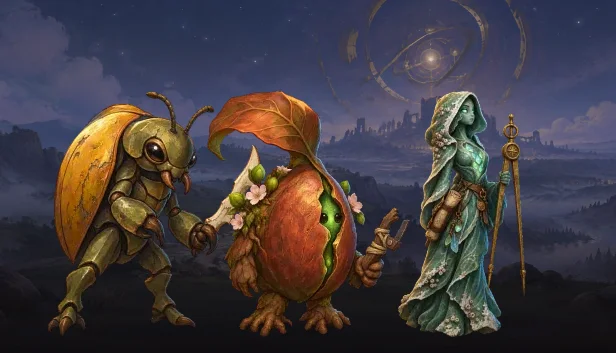
Full disclosure: this one is ours. Path of Orren is a free dark-fantasy party roguelike for iPhone and Android. You lead a party of unlikely heroes down a three-act road, and the battles play out on their own. Heroes you unlock stay yours between runs, but no run starts stronger, so by the definition below it is a roguelike. No ads. It isn't out yet: join the waitlist to play it first.
Roguelike vs roguelite: the short answer
| Roguelike | Roguelite | |
|---|---|---|
| When you die | The run ends and everything in it is lost | The run ends, but some progress stays |
| Next run starts | Exactly like the first | A bit stronger, or with more options |
| Gets easier because | You get better | You get better, and your upgrades add up |
| Classic examples | Rogue, NetHack, Shattered Pixel Dungeon | Hades, Dead Cells, Rogue Legacy |
What a roguelike is
A roguelike is a game played in runs, named after Rogue, a 1980 dungeon game. You explore a randomly generated dungeon, every choice matters, and when your character dies, the run is over for good. The strict definition adds more: turns, a grid, one character and a lot of systems to learn. We cover it in detail, with the full list of rules, in our guide to what a roguelike is.
What matters for this question is the reset. A strict roguelike gives you nothing to carry from one run to the next, except experience.
What a roguelite is
A roguelite keeps the runs, the random levels and the permadeath, and adds meta-progression: something you earn in a run that stays after it ends. The words "roguelite" and "roguelike-like" spread among independent developers in the late 2000s and early 2010s, when games such as Spelunky, The Binding of Isaac and FTL carried the roguelike structure into platformers, shooters and space games.
Rogue Legacy (2013) is the textbook roguelite. When your knight dies, an heir takes over, and the gold you collected buys permanent upgrades for the family castle. Hades does the same with its Mirror of Night, and Dead Cells with the cells you bring back from a run. The design goal is that no run is wasted.
The middle ground: games that unlock options, not power
Many famous games fit neither word cleanly. They carry something over, but it's variety, not strength: new cards, items, characters or shortcuts go into the pool, while your starting power never changes. That is why players argue about whether Slay the Spire or Balatro are roguelikes.
It helps to think in three levels:
- Nothing carries over. A pure roguelike: NetHack, Brogue.
- Only options unlock. Every run starts with the same power, but you have more to play with: Slay the Spire, Balatro, The Binding of Isaac, Spelunky 2, Risk of Rain 2.
- Power carries over. Upgrades make later runs easier: Hades, Dead Cells, Rogue Legacy, Vampire Survivors.
Most players call level 2 roguelikes, and level 3 is what roguelite usually means. If a store page says "roguelike", check which level it is before you decide how punishing it will be.
Is it a roguelike or a roguelite? 15 games sorted
| Game | What carries over | Roguelike or roguelite? |
|---|---|---|
| NetHack | Nothing | Roguelike |
| Shattered Pixel Dungeon | New hero classes, unlocked as you play | Roguelike, middle ground |
| Noita | A few spells, unlocked through secrets | Roguelike, middle ground |
| Spelunky 2 | Shortcuts and characters | Roguelike, middle ground |
| FTL: Faster Than Light | New ships | Roguelike, middle ground |
| Slay the Spire | New cards, relics and characters | Roguelike, middle ground |
| Balatro | New jokers, decks and stakes | Roguelike, middle ground |
| The Binding of Isaac | New items and characters | Roguelike, middle ground |
| Risk of Rain 2 | New survivors and items | Roguelike, middle ground |
| Hades and Hades II | Permanent upgrades, weapons and story | Roguelite |
| Dead Cells | Permanent upgrades and new routes | Roguelite |
| Rogue Legacy | Gold spent on upgrades for your family's castle | Roguelite |
| Vampire Survivors | Gold for permanent power-ups | Roguelite |
| Darkest Dungeon | Your hamlet, its upgrades and your surviving heroes | Roguelite |
| Elden Ring Nightreign | Relics that boost later expeditions | Roguelite |
The original
Hades
- Not on phones
- PC: $24.99
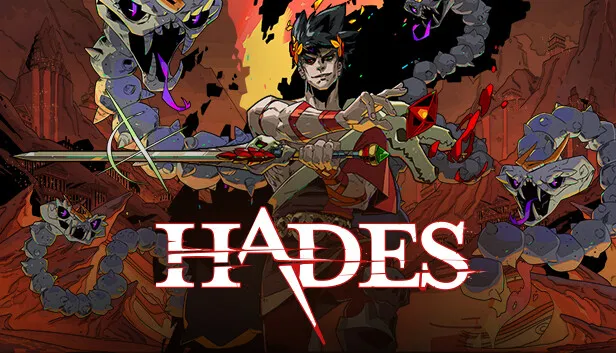
The best-known roguelite. Zagreus fights his way out of his father's realm with gifts from the gods of Olympus. What you bring back buys permanent upgrades, and the story moves on with every death, which is why dying never feels wasted.
The original
Slay the Spire
- iPhone
- Android
- $9.99, no ads
- PC: $24.99
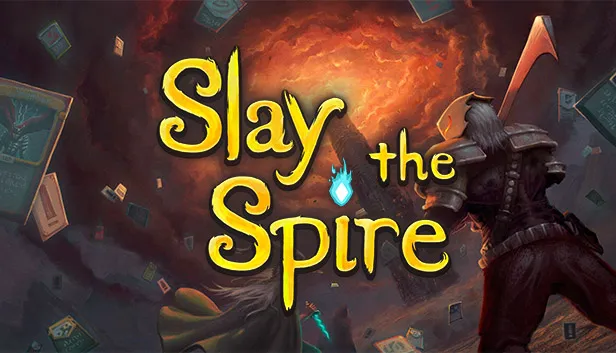
The middle ground at its clearest. You climb a three-act spire, building a deck of cards on the way. Winning and losing unlocks new cards and relics, but each run is won with the deck you build in it.
How to tell before you buy
Store pages rarely say which kind a game is, and many use "roguelike" for both. Three quick checks help:
- Look for an upgrade screen. A skill tree, a shop or a home base you return to between runs means power carries over, so it is a roguelite.
- Read the reviews for "unlocks". If players talk about unlocking cards, items or characters but not stats, it is the middle ground.
- Look for a difficulty ladder. Ascension in Slay the Spire and stakes in Balatro make runs harder as you win. Games without permanent upgrades often use one to keep you playing.
Where the two words came from
Roguelike is the older word. It means "like Rogue", the 1980 dungeon game with random levels and one life, and it was coined on Usenet around 1993. In 2008 a conference in Berlin turned it into a checklist, the Berlin Interpretation, with permadeath and random levels at the top. The full story is in our guide to what a roguelike is.
The word roguelite came later, from players and developers who needed a name for games that kept the runs but not the rest of the list. That is why "roguelite vs roguelike" is still argued about: the line between the words is blurry, and many store pages use "roguelike" for both.
Roguelike or roguelite: which should you play?
Pick a roguelike, or a middle-ground game, if you like games that test you and want every win to come from your own skill. Slay the Spire and Balatro are the friendliest places to start, and both are on phones.
Pick a roguelite if you want to see progress even on a bad day. Hades is the easiest to recommend, and Dead Cells and Vampire Survivors are close behind. For the full list, see the best roguelike games of all time. If you like dark journeys with a party of heroes, see our games like Darkest Dungeon. If deckbuilders are your thing, see our games like Slay the Spire.
That middle ground is where our own game sits: in Path of Orren, each new run starts with more choices, not more power.
Questions
What is the difference between a roguelike and a roguelite?
In a roguelike, nothing you earn in a run survives it: every new run starts from the same place. In a roguelite, something carries over, such as upgrades, currency or new characters, so you grow stronger across many runs. Both have runs, random levels and permadeath.
Is Hades a roguelike or a roguelite?
Hades is a roguelite. Between runs you spend what you found on permanent upgrades in the Mirror of Night, and the story moves on each time Zagreus dies. Hades II works the same way.
Is Slay the Spire a roguelike?
Mostly, yes. You unlock new cards, relics and characters as you play, but no run starts stronger than the first one did, so most players call it a roguelike deckbuilder. It sits in the middle ground, like Balatro and The Binding of Isaac.
Is Balatro a roguelike or a roguelite?
Balatro is closer to a roguelike. Winning unlocks new jokers, decks and stakes, which add variety, but every run starts with the same power. Its own store page calls it a roguelike deckbuilder.
Is Risk of Rain 2 a roguelike or a roguelite?
It is in the middle ground. Challenges unlock new survivors and items for later runs, but your character never starts a run with extra stats, so each run is won with what you find in it.
Is The Binding of Isaac a roguelike or a roguelite?
It is in the middle ground. Beating bosses and challenges adds new items and characters to the game, but Isaac never starts a run with permanent upgrades. Most players call it a roguelike.
Is Elden Ring Nightreign a roguelike or a roguelite?
Nightreign is a roguelite. Each expedition is a three-day run on a shrinking map, and the relics you earn stay with you and change how you start later expeditions.
Are roguelites easier than roguelikes?
Usually. Upgrades that carry over mean every failed run still moves you forward, so a roguelite gets easier the longer you play. A roguelike only gets easier because you get better.
Read next

New mobile games for iPhone and Android: November 2026
New mobile games out in November 2026 on iPhone and Android: release dates, prices, the free ones, and last month's releases. Updated every month.

Is The Bazaar on mobile?
The Bazaar mobile isn't out on iPhone or Android yet. What Tempo announced, what it will cost, how to play on your phone today, and 5 games like it.

Is Slay the Spire 2 on mobile?
Slay the Spire 2 has no iPhone or Android version yet. What Mega Crit has said, how to play it on your phone today, and 5 games to play meanwhile.